

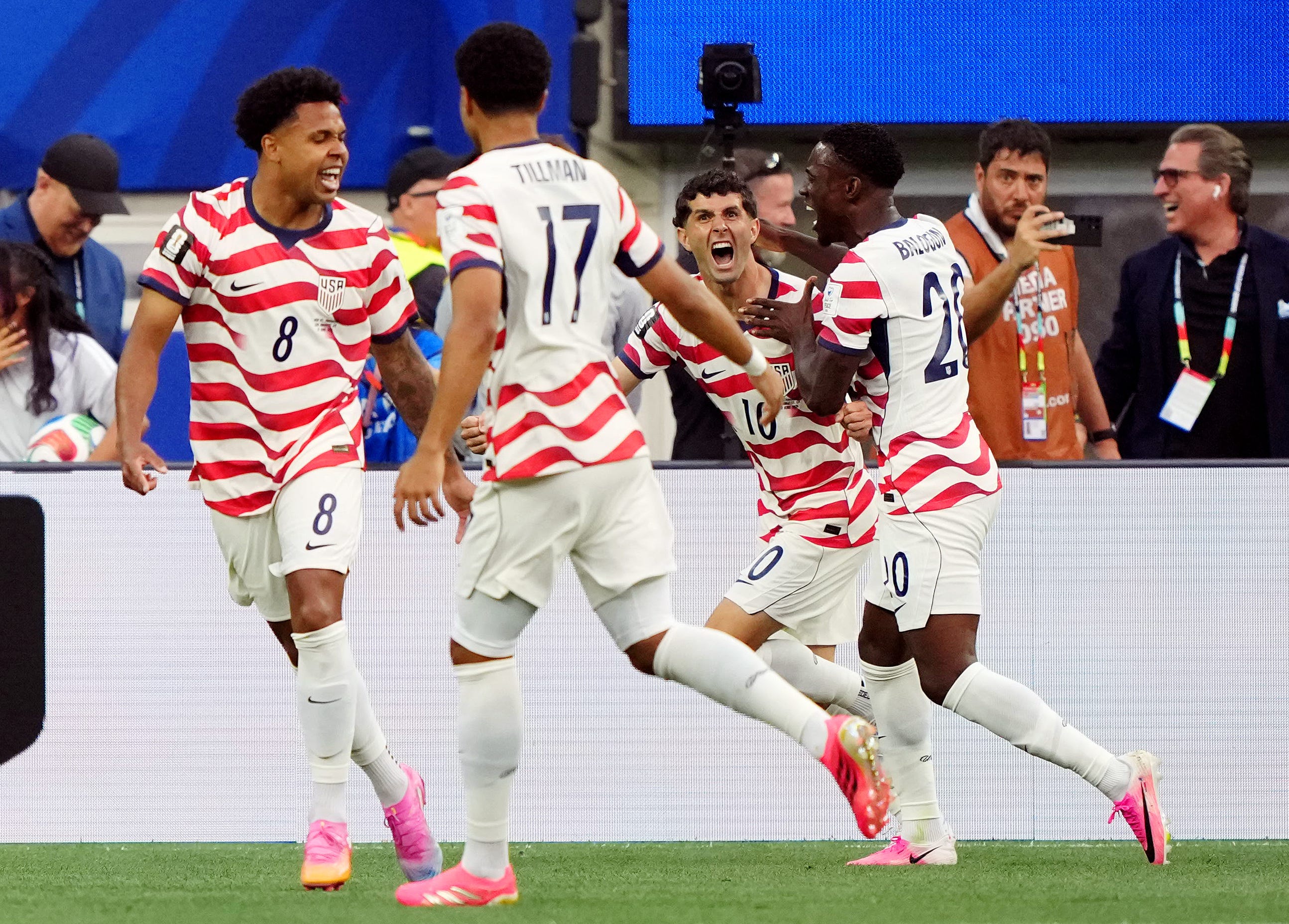
The United States plays Bosnia and Herzegovina tonight at Levi’s Stadium in Santa Clara, and I could not be more nervous.
The group stage was one thing. Those matches brought a level of anxiety that I hadn’t experienced in a long time. But the knockout rounds are a completely different animal. There are no second chances anymore. Win and you keep dreaming. Lose and it’s all over.
On paper, the United States is the better team. The FIFA rankings — which should always be taken with an extra grain of salt — say the Americans are comfortably ahead of Bosnia and Herzegovina. The talent is there. The depth appears to be there, too. The manager is certainly there. Everything points toward the United States moving on.
But games aren’t played on paper. (Have I said that before?)
They’re played on grass by actual human beings who are capable of producing moments of absolute genius just as easily as they are capable of making mistakes that leave you staring blankly at your television wondering what in the world just happened.
That’s why I think there are really two ways to look at tonight’s match. There’s the emotional side, and then there’s the tactical side. The emotional side says this game is a lot more even than people might like to think. Both nations are playing in the biggest match in their modern soccer history. For Bosnia and Herzegovina, simply reaching this stage is unprecedented. Never before has the country advanced to the knockout rounds of a World Cup, and now it’s one victory away from a place in the Round of 16. History is staring the Bosnians directly in the face, and teams with nothing to lose can be awfully dangerous.
The United States is carrying a different type of pressure. The World Cup is being played on home soil in front of millions of Americans who desperately want to believe this program has finally turned the corner. Mauricio Pochettino has changed the mood surrounding this team in just a matter of weeks, and now his players have an opportunity to validate all of that optimism. Win tonight and suddenly the quarterfinals don’t seem so far away. The dream begins to feel tangible. People start convincing themselves that maybe this really is the generation that can do something no American team has ever done before. That’s the magic of the World Cup. Hope snowballs into belief faster than at any other sporting event.
Fortunately for the Americans, the tactical matchup points in their favor. Bosnia and Herzegovina is almost certainly going to defend deep, sit in a low block and dare the United States to find a way through. It’ll gladly surrender possession if it means creating opportunities on the counterattack. That’s been the blueprint for underdogs throughout this tournament, and we’ve already seen just how effective it can be. Spain couldn’t solve Cape Verde. Portugal struggled to maneuver around DR Congo. England had similar problems against Ghana. Germany spent 120 frustrating minutes trying to break down Paraguay before crashing out on penalties. These defensive setups are designed to frustrate favorites until frustration evolves into panic.
The encouraging news is that the United States has already shown it knows how to navigate those tricky waters. Paraguay tried something similar in the tournament opener. 4-1, United States. Australia wasn’t much different a week later. 2-0, United States. Pochettino’s pressing system is built to overwhelm teams that want to sit back by forcing turnovers high up the field and preventing opponents from ever getting too comfortable. If the Americans play to their standard, chances are going to come. The biggest key is making sure one of those chances finds the back of the net early.
Nothing destroys a defensive game plan faster than conceding in the opening stages of a match. An early American goal would force Bosnia and Herzegovina to abandon the low block and chase the game, creating exactly the type of open spaces that Christian Pulisic, Folarin Balogun and Weston McKennie thrive in. On the flip side, if the scoreboard still reads 0-0 at halftime — or worse, Bosnia has found a goal on the counterattack — the pressure inside Levi’s Stadium will become almost unbearable. Low blocks become more effective and more difficult to break the longer they’re allowed to survive, and every missed opportunity chips away at a team’s confidence. That’s why the opening 20 or 30 minutes feel so important tonight.
Thankfully, quick starts have become something of a trademark for this American team. The United States scored within the first 10 minutes in all three of its group-stage matches, immediately putting opponents on the back foot and allowing Pochettino’s style to dictate the rest of the contest. If the United States can do that one more time, it will put itself in an excellent position to keep this World Cup journey alive.
More than anything, though, I’m just grateful we get to experience a night like this. A World Cup on home soil. A United States team that genuinely believes it can accomplish something special. Tens of thousands of supporters packing Levi’s Stadium while millions more watch from around the country hoping to witness another step forward for American soccer. This is the type of occasion fans wait years to experience, and now it’s finally here.
I just hope the ride doesn’t end tonight.


