

Let’s get this out of the way before anybody yells at me: The SEC is the deepest conference in college football. No other league in the country has the depth that the SEC does, and it’s frankly not all that close. Determining whether it’s actually the best conference in the sport is another question entirely, however, as that depends on what your criteria are for ascertaining something so entirely subjective. If you’re going based on which conference has won the most national titles and possesses the teams that have consistently played for them over the last several years, it’d be the Big Ten. If you’re going solely on recruiting rankings, overall talent and the sheer number of programs capable of winning 10 games, the SEC likely takes the cake.


To me, it doesn’t really matter. The SEC is still the heartbeat of college football in many ways, with much of the sport’s diehard fanbase residing in the South and, by proxy, giving the region some of the most electric stadium atmospheres not just in America but in the entire world. The mythos of the Iron Bowl, traveling to play at The Swamp or watching Texas and Oklahoma play Red River in the Cotton Bowl are some of the best aspects of college football, and there’s a certain level of insanity attached to this conference that simply doesn’t exist anywhere else. This is a place where losing three football games can spark an existential crisis and a governor can suddenly become a recurring character in a coaching search. It’s wonderful.
That hasn’t necessarily translated into national championships lately, though. It’s been three seasons since an SEC team won the national title, an unfathomably long drought for a league that spent nearly two decades treating the trophy like Nick Saban’s personal property, and the Big Ten has now won three straight.
The 2026 season presents another opportunity to change that, and there certainly isn’t a shortage of candidates. Texas and Georgia are the two teams I trust most, while Alabama, Ole Miss, LSU and Texas A&M all have legitimate playoff aspirations. Behind them sits a giant pile of programs ranging from potentially dangerous to “I guess I could see it,” as well as some that have the potential to be absolute dog crap. Oh, and the new nine-game conference schedule should only make everything messier once everybody starts beating the heck out of each other and three-loss SEC teams begin demanding playoff bids in November.
I can already hear the discourse.
Texas and Georgia Lead the Way
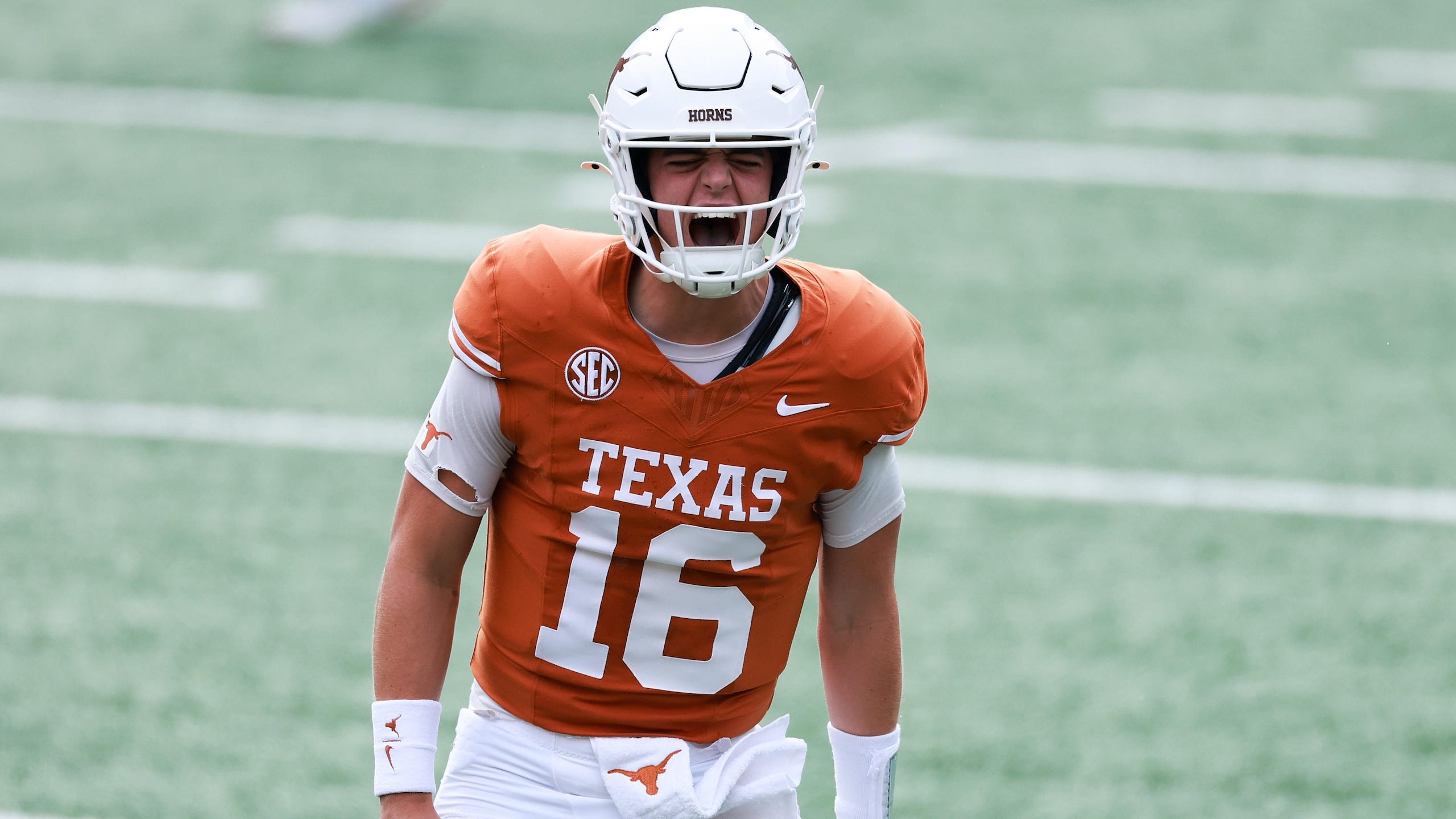
To me, the linchpin in the SEC this season is Texas. Coming off a year when the expectations were sky-high and then subsequently not met, the Longhorns are now in an interesting position where merely making the College Football Playoff doesn’t seem like enough, but actually winning a national title seems somewhat difficult as well. Texas entered last season with enormous expectations and spent much of the early going looking nothing like the team everyone had imagined, with Arch Manning struggling underneath a ridiculous amount of preseason hype before eventually settling down and playing considerably better football down the stretch.
That improvement is the primary reason I’m willing to go right back to Texas in 2026. The preseason Heisman conversation became absurd last year before Manning had really done anything to earn it, with people essentially treating the Manning surname like one of those Mario Kart power-ups that automatically launches you forward at the speed of light, but the player we saw later in the season looked significantly more comfortable. Steve Sarkisian has now surrounded him with enough offensive talent that there really shouldn’t be many excuses, either. Cam Coleman comes over from Auburn, Ryan Wingo remains in place and the backfield has been reinforced with Raleek Brown and Hollywood Smothers, giving Texas the sort of collection of skill players that makes Sarkisian’s offense particularly terrifying.
It wouldn’t be hard to convince me that the Longhorns could have the best offense in the country when everything is said and done. A lot of that obviously depends on what Manning winds up accomplishing, but with Arch at the helm and that stable of talent around him, there doesn’t seem to be a ceiling that’s too high for Texas in 2026.
Georgia is a different kind of contender because Kirby Smart’s program has reached the point where regular-season excellence barely registers anymore. The Bulldogs are going to win a bunch of games, recruit absurdly well and eventually unveil another collection of defensive players who look like they were constructed in the same laboratory that produced Ivan Drago. This operation is still one of the most stable in college football, and you can essentially pencil Georgia into the national conversation every August without thinking particularly hard about it.
The problem is what happens once the Bulldogs actually reach the playoff. Two consecutive one-and-done exits have made this once-invincible operation feel slightly more vulnerable, and one of the chief reasons, in my opinion, is the quarterback position. Georgia fans have lambasted me for this take before, but I simply don’t believe Gunner Stockton elevates a team to a national title ceiling. He’s capable of getting Georgia where it needs to be during the regular season, but when the lights have shone at their brightest, Stockton hasn’t been able to get the Bulldogs over the line.
People said similar things about Stetson Bennett, of course, and we all know how that turned out, so perhaps I’m simply failing to see the grand vision here. Maybe Stockton spends January smoking a cigar with a national championship trophy while somebody screenshots this paragraph and sends it to me 400 times. The rest of the roster is certainly good enough for that to happen. Either way, the goal at Georgia is a championship. Anything short will once again feel like a failure.
Four Teams, Four Different Kinds of Chaos
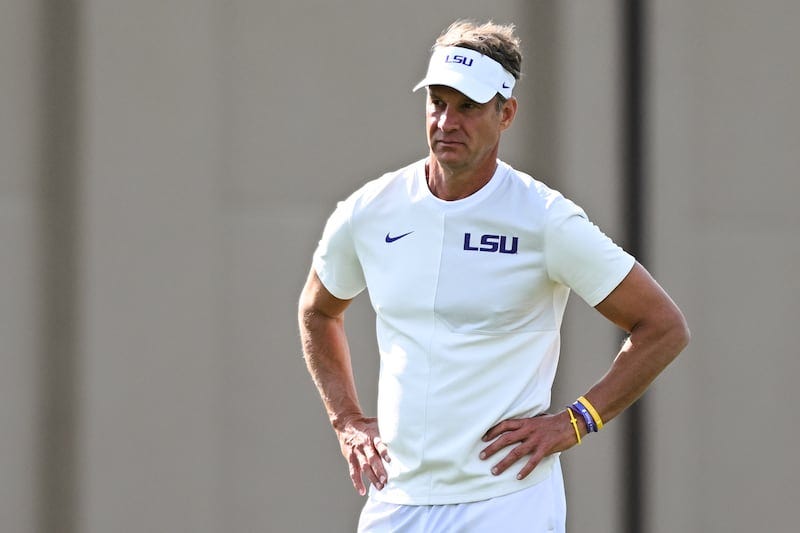
The Kalen DeBoer reckoning might soon be coming at Alabama, as 2026 feels like a make-or-break year for a coach who has failed to live up to the Mount Everest-sized expectations Saban manufactured in Tuscaloosa. Eight losses in two seasons, combined with a blowout Rose Bowl exit against Indiana, have bloodied the Crimson Tide more than at almost any point in recent memory. Alabama is still good, obviously, but merely being good in Tuscaloosa has historically been treated with the same level of concern most fan bases reserve for a natural disaster. Nine wins anywhere else gets you a nice bowl game and a commemorative T-shirt; at Alabama, it gets you three weeks of Finebaum callers demanding a congressional inquiry.
Perhaps Keelon Russell changes the tenor of everything. One of the best quarterback recruits in the country several years ago out of Duncanville, Russell possesses the sort of arm talent that immediately gets your attention, and I’m a believer in what he can eventually become. He’s also a redshirt freshman taking over one of the most scrutinized positions in American sports, so there will almost certainly be growing pains. How quickly those disappear could determine whether DeBoer spends December preparing for the playoff or answering increasingly uncomfortable questions about his employment status.
Ole Miss enters an equally strange season after last year’s run to the final four. Kiffin is obviously gone — more on that circus in a moment — but Trinidad Chambliss and Pete Golding remain after helping the Rebels accomplish things the program had dreamed about for years. Expecting Ole Miss to recreate that magical run would probably be foolish, but Chambliss gives the Rebels an outstanding security blanket because of his ability to rescue broken plays and create something from nothing.
Everything lives and dies with him. There will almost certainly be regression somewhere because seasons like 2025 are nearly impossible to reproduce, but having a quarterback that reliable gives Golding a chance to navigate the post-Kiffin transition without everything immediately falling apart. Ole Miss might not be a national semifinalist again, but I’m also not going to be the idiot who completely dismisses a team that just spent four months proving everybody wrong.
Speaking of Kiffin, let’s talk about LSU.
Kiffin is in the house, and so is the drama! Let’s bring in NFL players! Let’s spend approximately the gross domestic product of a small country on the roster! Let’s try to be on the front page of the papers every single day!
The LSU show has become the college football equivalent of a mid-2000s VH1 reality show: objectively chaotic, occasionally embarrassing and absolutely impossible to turn off once you’ve watched the first five minutes. Sam Leavitt comes over from Arizona State, the receiving corps has been completely restocked and Kiffin remains one of the best offensive minds in the sport, which means I have very little doubt this team is going to score points. Seemingly a bajillion dollars were spent constructing the roster, and with that comes expectations of greatness.
The ceiling is so high it’s otherworldly, but Kiffin has also been known to crash and burn. And this is still LSU we’re talking about. In a place where the state governor was intimately involved in the last coaching saga and local judges are issuing rulings that can alter the college football landscape, there’s always a possibility things start to go haywire.
Texas A&M might be the easiest team in this group to understand because I’ve decided to label the Aggies as one of those schools that could be better this season while finishing with a worse record. A&M went 11-1 during the 2025 regular season before ending the year with losses to Texas and Miami, which turned what had been a really fun campaign into the football equivalent of eating an excellent steak dinner and then discovering your car got towed while you were inside.
I remain incredibly bullish on Mike Elko, to the point where I firmly believe he will lead Texas A&M to a national championship at some point during his tenure, but the limitations of Marcel Reed remain aplenty in my opinion. Mario Craver and Rueben Owens II give him excellent skill talent, yet both lines are being rebuilt and the schedule is considerably less forgiving. A&M could improve as a football team and still lose three games, which is basically the SEC experience distilled into one sentence.
The SEC’s Giant Pile of “I Guess?”
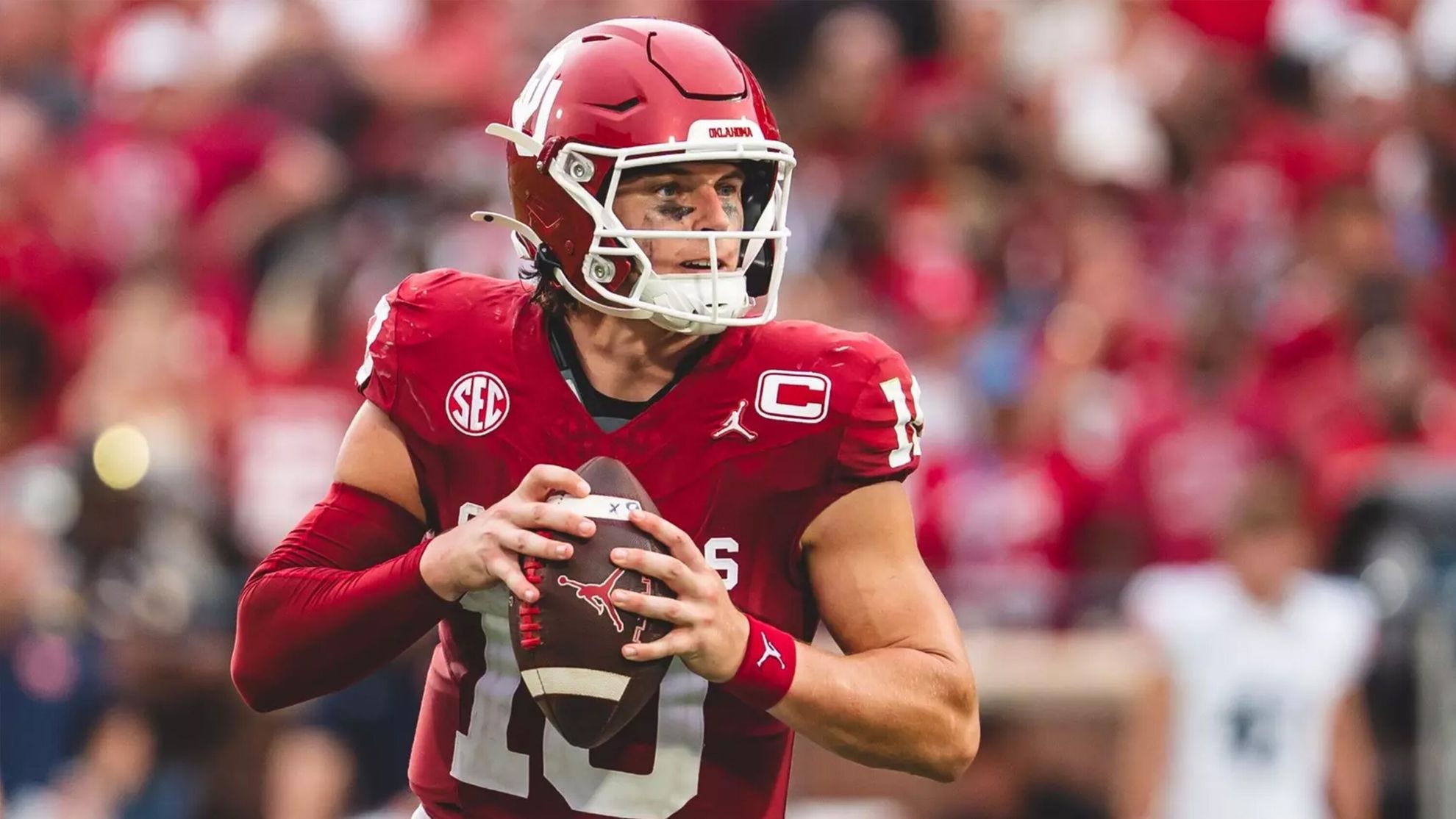
Oklahoma probably deserves to sit toward the top of this group after making the playoff last season, though I still have questions about how sustainable that success actually was. Brent Venables finally produced the elite defense everybody expected when Oklahoma hired him, but that unit spent far too much of 2025 dragging around an offense that simply wasn’t very good. John Mateer returns and the receiving corps has been reworked, so there’s reason for optimism, but the schedule is horrific enough that Oklahoma could be genuinely good and still spend November fighting for its playoff life.
Florida is considerably more fun because Jon Sumrall has arrived in Gainesville, providing the Gators with what should be a nice reprieve from the misfortune that was Billy Napier. Sumrall is one of the best coaches in the sport, in my opinion, and having him on the payroll is absolutely massive for a school that has spent the better part of the last decade hiring coaches, convincing itself this one will restore Florida football and then returning to the coaching carousel three or four years later like somebody who keeps downloading the same dating app after swearing they’re done with it.
There are pieces here, too. Jadan Baugh gives Florida a legitimate centerpiece in the backfield, while Aaron Philo follows offensive coordinator Buster Faulkner from Georgia Tech and should at least provide some stability at quarterback. The Gators might still be a year away from truly mattering, but Sumrall has been too good everywhere he’s gone for me to dismiss the possibility that this turns around considerably faster than expected.
Tennessee is the team I can’t talk myself into no matter how many times I try. Faizon Brandon has excellent potential, Josh Heupel has already proven he can build a playoff-caliber team and Jim Knowles should help repair a defense that completely unraveled last season. There are plenty of individual pieces I like, which makes my skepticism somewhat difficult to explain, but sometimes sports analysis simply comes down to vibes, and my Tennessee vibes are quite low. Maybe that’s just residual Dolly Parton sadness swaying my feelings.
Speaking of pessimism, that’s basically all Auburn has possessed for the last half-decade, if not more. Alex Golesh has arrived alongside what feels like the entirety of South Florida’s roster, including quarterback Byrum Brown, which should at least give the Tigers an offensive identity immediately. It’s up to the interpreter to decide whether importing USF en masse is enough to compete in the SEC, but after the Brian Harsin debacle and replacing him with Hugh Freeze for some reason I’ll never understand, simply having a coherent plan feels like progress.
Missouri, South Carolina and Vanderbilt all fall somewhere around this same neighborhood, though I’m not particularly bullish on any of them. Missouri is consistently overrated, in my opinion, even if Eli Drinkwitz deserves credit for making the Tigers reliably competent. I’m sure Missouri will win eight games, briefly appear at No. 17 in the AP poll and spend two weeks convincing everyone it’s a dark-horse playoff contender before losing a game by 16 points. Nature is healing.
South Carolina at least has LaNorris Sellers, meaning a breakout is always a couple of spectacular plays away. Sellers remains one of the most physically gifted quarterbacks in college football, but Kendal Briles is now calling the offense, and I’m all too familiar with how boom-or-bust that experience can become. One week the Gamecocks might look like the 2007 Patriots. The next they might spend three quarters repeatedly running into a defensive tackle while spending entirely too much time attempting to establish themselves via screen plays that go for zero yards.
Vanderbilt, meanwhile, enters a transition period after the Diego Pavia era finally came to an end, which remains a remarkable sentence considering Vanderbilt football having an “era” worth mourning would’ve sounded absurd several years ago. Clark Lea deserves enormous credit for what he built, but replacing the quarterback who became the face of the entire operation is an enormous task. Five-star freshman Jared Curtis provides an exciting future, though he’s not the projected starter — at least for now.
Somebody Has to Lose These Games
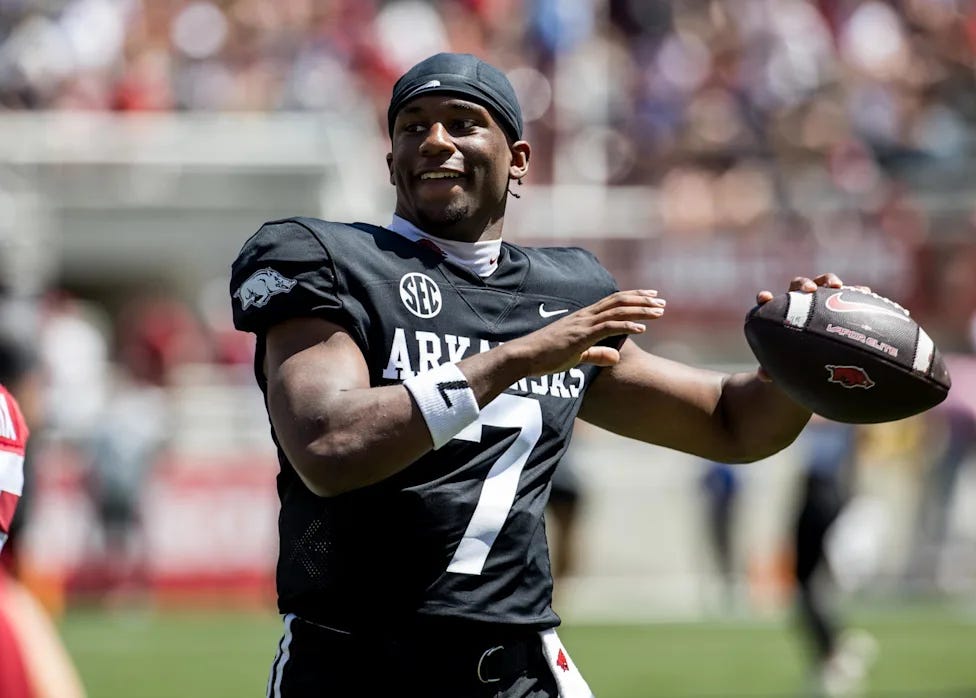
While the SEC has tremendous depth and its middle is arguably better than anybody else’s, its bad is just about as bad as anybody else’s. Arkansas, Kentucky and Mississippi State are probably going to stink this season, although they’ve arrived at that destination through considerably different routes.
Arkansas has a new head coach in Ryan Silverfield, a hire that made the fan base so angry the reaction itself almost became more interesting than the actual coaching search. He inherits a program coming off a miserable season and immediately has to navigate another brutal SEC schedule, which isn’t exactly the ideal environment for convincing thousands of people who hated your hiring that they were wrong.
Kentucky is more frustrating because I absolutely adored the Will Stein hire. Stein was one of the best offensive coordinators in college football at Oregon and represents exactly the kind of swing Kentucky should be taking after the Mark Stoops era finally reached its conclusion. The problem is that it doesn’t seem like the administration has invested the necessary resources into this roster to make the Wildcats immediately competitive, at least in football.
Then there’s Mississippi State, which continues to occupy one of the most unforgiving positions in major college football. The Bulldogs have won two SEC games over the last two seasons and are attempting to build a competitive roster without the resources enjoyed by most of the programs surrounding them. There are occasional signs of life, but the overall situation remains bleak enough that discussing Mississippi State in a conference preview feels a little like reaching the final minutes of Titanic and wondering whether the ship might actually pull through this time.
Probably not.
So, Who Wins the SEC?
Texas.
I know what happened last season, and I know how ridiculous it feels to spend another year talking ourselves into the Longhorns after the preseason hype train went careening off the tracks in 2025. Georgia is probably the safer pick because Kirby Smart has built the most reliable program in the conference, but I just can’t help but be attracted to Austin.
There’s simply too much offensive talent for me to ignore, and the defense could be quite special as well. Manning looked considerably more comfortable once the hysteria surrounding him finally subsided last season, and Steve Sarkisian has given him everything necessary to make another run at this thing. I picked Texas last year and got burned, but apparently I learned nothing.
Give me the Longhorns.


